Stroke Recovery Home Care Guide | Northern VA
Recovering from a stroke is a challenging journey that requires patience, professional support, and the right care environment. For many stroke survivors in Virginia, returning home with professional care offers the best path to recovery—combining familiar surroundings with expert assistance to regain independence and quality of life.
CareLiving provides specialized stroke recovery home care throughout Northern Virginia, including Fairfax, Ashburn, Reston, Herndon, Arlington, and Alexandria. Our licensed caregivers work alongside physical therapists, occupational therapists, and speech therapists to support your recovery goals while helping you maintain safety and comfort at home.
This comprehensive guide covers everything you need to know about stroke recovery home care in Virginia.
Understanding Stroke Recovery at Home
Stroke recovery is different for everyone. The extent of recovery depends on the location and severity of the stroke, how quickly treatment was received, and the individual’s overall health. Some stroke survivors recover quickly with minimal lasting effects, while others face a longer journey with more significant challenges.
The first three months after a stroke are typically the most critical for recovery, though improvement can continue for months or even years with consistent therapy and support. Professional home care during this period can make a significant difference in outcomes by ensuring:
– Therapy exercises are completed daily as prescribed
– Safety measures prevent falls and complications
– Medications are taken correctly and on time
– Nutrition and hydration needs are met
– Emotional support is provided during frustrating moments
Many stroke survivors and their families in Virginia choose home-based recovery over facility care because it allows them to recover in a familiar, comfortable environment while maintaining connections to family, friends, and community.
Benefits of Stroke Recovery Home Care in Northern Virginia
Professional home care for stroke recovery offers several important advantages:
Personalized Recovery Support: One-on-one attention ensures care is tailored to your specific recovery goals and challenges, whether that’s regaining speech, improving mobility, or relearning daily activities.
Familiar Environment: Being home can boost motivation and emotional well-being, both crucial factors in stroke recovery. You’re surrounded by family, pets, and familiar routines that support healing.
Family Involvement: Home care makes it easier for family members to participate actively in recovery, learn proper care techniques, and provide emotional support.
Consistent Therapy Reinforcement: Caregivers help you complete prescribed exercises between therapy sessions, ensuring daily practice that accelerates recovery.
Fall Prevention: Stroke survivors face increased fall risk due to weakness, balance issues, and cognitive changes. Professional caregivers understand how to modify your home environment and provide mobility assistance to keep you safe.
Cost-Effectiveness: Home care is often more affordable than extended facility stays while providing more personalized attention.
For families in Fairfax, Ashburn, Reston and throughout Northern Virginia, home care also eliminates the stress and expense of daily facility visits.
What Stroke Recovery Home Care Includes
Comprehensive stroke recovery home care addresses the full range of post-stroke needs:
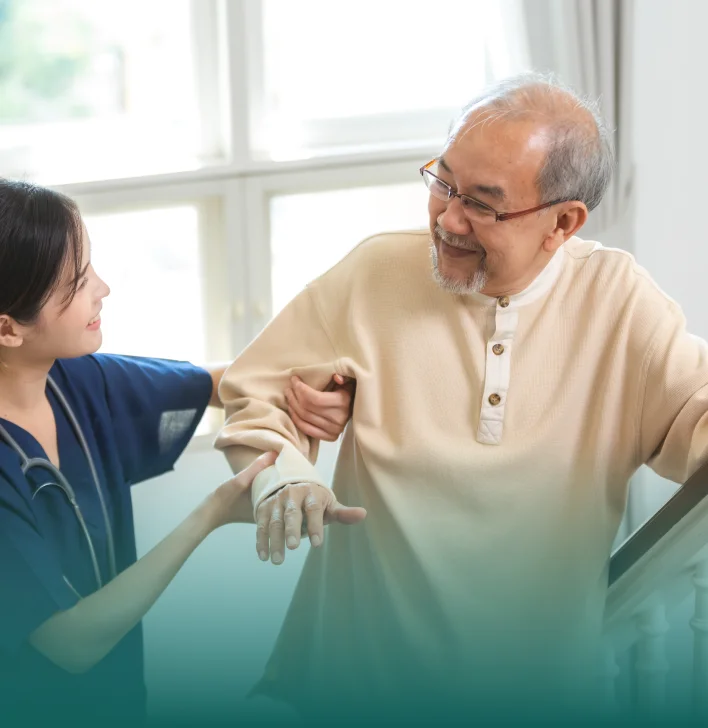
Mobility Assistance: Help with transfers, walking, wheelchair use, and using mobility aids safely. Caregivers are trained in proper techniques to prevent falls and support independence.
Activities of Daily Living (ADL) Support: Assistance with bathing, dressing, grooming, toileting, and eating, with adaptations for one-sided weakness or limited mobility.
Therapy Exercise Support: Helping you complete physical therapy, occupational therapy, and speech therapy exercises as prescribed by your therapists.
Meal Preparation: Preparing nutritious meals that meet dietary restrictions (often needed after stroke), with modifications for swallowing difficulties if needed.
Cognitive Exercise Support: Engaging in activities that support cognitive recovery, memory, and problem-solving skills.
Emotional Support: Providing companionship and understanding during the emotional ups and downs of recovery, including periods of frustration or depression.
Transportation: Accompaniment to therapy appointments, follow-up medical visits, and activities that support recovery and social engagement.
Household Support: Light housekeeping, laundry, and errands to maintain a safe, organized living environment conducive to recovery.
CareLiving caregivers receive training in stroke recovery care, including understanding common post-stroke challenges, recognizing warning signs of complications, and supporting both physical and emotional recovery.
The Phases of Stroke Recovery at Home
Acute Recovery Phase (First Few Weeks)
During the acute phase, you may be transitioning from hospital to home. Care focuses on:
– Establishing safety in the home environment
– Following discharge instructions precisely
– Managing pain and discomfort
– Beginning basic exercises
– Preventing complications like pressure sores or blood clots
This is when having 24-hour care or frequent daily visits is most beneficial.
Subacute Recovery Phase (Weeks to Months)
As you stabilize, care shifts toward:
– Intensive therapy participation
– Building strength and endurance
– Relearning daily activities
– Adapting to any permanent changes
– Preventing setbacks
Care hours may remain high during this phase as you work hard on recovery goals.
Long-Term Recovery Phase (Months to Years)
Many stroke survivors continue improving for months or years after their stroke. Care during this phase focuses on:
– Maintaining gains achieved
– Preventing future strokes
– Adapting to any lasting effects
– Supporting independence
– Addressing long-term emotional needs
Care hours may decrease as independence increases, though some level of support often remains beneficial.
Choosing the Right Home Care Agency for Stroke Recovery
When selecting a home care agency for stroke recovery in Virginia, look for:
Experience with Stroke Recovery: Caregivers should have specific training in post-stroke care, not just general elder care or home health experience.
Coordination with Therapy Providers: The agency should work closely with your physical therapist, occupational therapist, and speech therapist to reinforce therapy goals.
Licensing and Credentialing: Verify the agency is licensed by Virginia and credentialed with your insurance or Medicaid if applicable.
RN Supervision: An RN should assess your needs, develop your care plan, and provide ongoing supervision to ensure quality care.
Flexibility: Your needs will change throughout recovery. The agency should easily adjust care hours and services as you progress.
Background-Checked, Trained Caregivers: All caregivers should undergo thorough background checks and receive ongoing training.
Communication: Regular updates to you and your family, as well as coordination with your medical team, should be standard.
Local Presence: An agency based in Northern Virginia understands local healthcare resources and can respond quickly to changing needs.
CareLiving is licensed as both a Home Care Organization and Home Health Agency in Virginia. We’re credentialed with major insurance providers and Medicaid MCOs including Anthem, Aetna, and Humana. Our team coordinates closely with therapy providers to ensure your care plan supports your recovery goals.
Cost of Stroke Recovery Home Care in Virginia
The cost of stroke recovery home care varies based on your needs:
Hourly Care: Care can be provided hourly for personal care and therapy support.
Daily Care: Some families prefer 8–12-hour shifts during intensive recovery phases.
24-Hour Care: Available for those needing round-the-clock support immediately after hospital discharge.
Many stroke survivors start with extensive care (24 hours or 12-hour daily shifts) immediately after discharge, then gradually reduce hours as they regain independence.
Insurance Coverage: Medicare Part A may cover limited home health services if you’re homebound and need skilled nursing or therapy. Medicare Part B covers outpatient therapy. Medicaid waiver programs in Virginia may cover personal care services. Private insurance and long-term care insurance policies vary—CareLiving can help verify your coverage.
Out-of-Pocket Costs: For services not covered by insurance, families can pay privately. Many find home care more affordable than facility-based recovery while providing better outcomes.
Getting Started with Stroke Recovery Home Care
If you or your loved one is recovering from a stroke, CareLiving can help:
- Free Consultation: Call us to discuss your specific recovery needs, goals, and care preferences.
- In-Home Assessment: An RN visits your home to assess your needs, evaluate safety, and develop a personalized recovery care plan.
- Caregiver Matching: We match you with caregivers experienced in stroke recovery whose skills and personality fit your needs.
- Care Begins: Care typically starts within 48 hours, with 24/7 on-call support for you and your family.
- Ongoing Monitoring: We provide regular check-ins, care plan updates, and adjustments as your recovery progresses.
Recovery from a stroke is a journey, but you don’t have to take it alone. Professional home care can provide the support you need to achieve the best possible recovery while remaining in the comfort and safety of your own home.
Contact CareLiving today for a free consultation about stroke recovery home care in Northern Virginia. Our team is ready to support your recovery journey.